


On February 17, 2026, skywatchers and scientists alike were captivated by an annular solar eclipse, famously known as the “ring of fire.” This celestial event, where the Moon partially obscures the Sun, creating a brilliant ring of light, was primarily visible in remote Antarctic regions, but its partial phases reached parts of Southern South America and Africa. Though not visible from Karachi or much of the Northern Hemisphere, global live streams and satellite imagery brought the spectacle to millions, highlighting the wonders of our solar system.
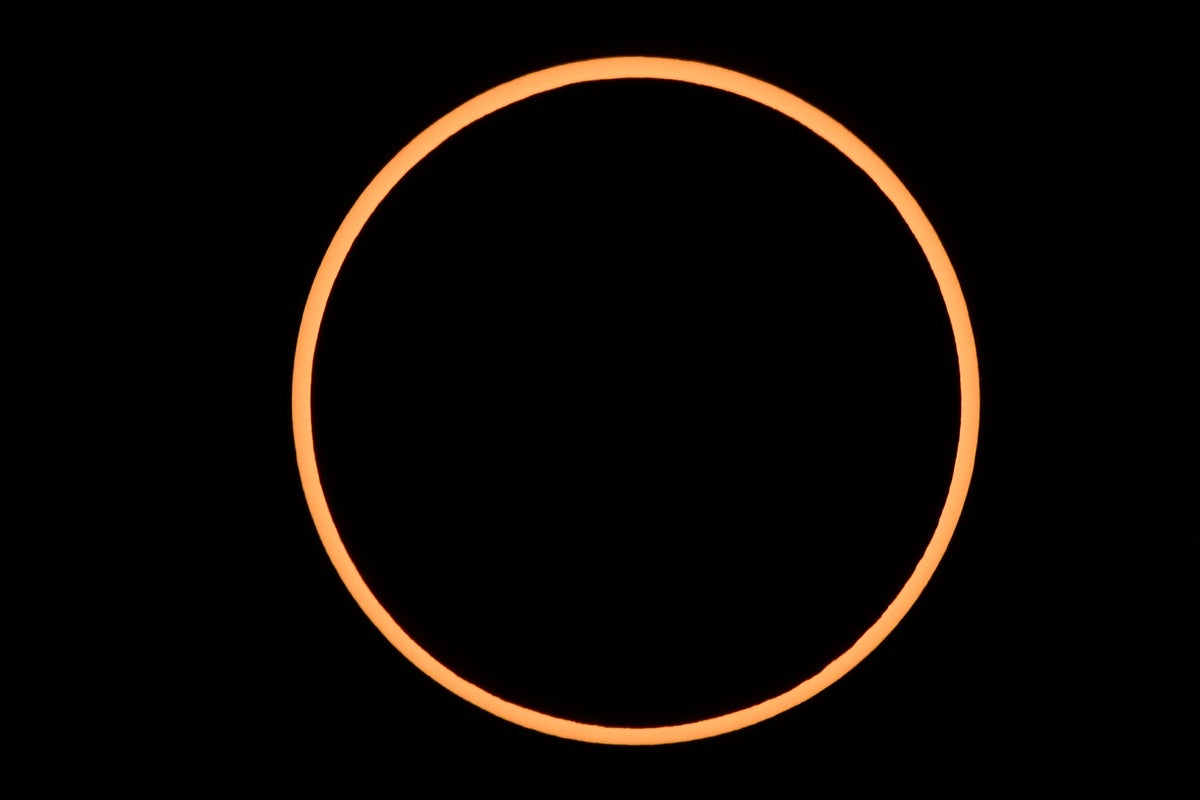
First solar eclipse of 2026 blazes a ‘ring of fire’ above Antarctica | Scientific American
What Makes an Annular Eclipse Special?
An annular solar eclipse occurs when the Moon aligns perfectly between Earth and the Sun, but is at its apogee farthest point from Earth, making it appear smaller than the Sun. This results in the Moon covering the Sun’s centre while leaving a glowing ring of sunlight visible around the edges. The maximum annular phase lasted just over two minutes, offering a brief but stunning display.
Unlike total eclipses, which plunge areas into darkness and reveal the Sun’s corona, annular ones maintain a bright “ring,” requiring constant eye protection. Safety experts stressed the use of ISO-certified eclipse glasses or indirect viewing methods to avoid eye damage.
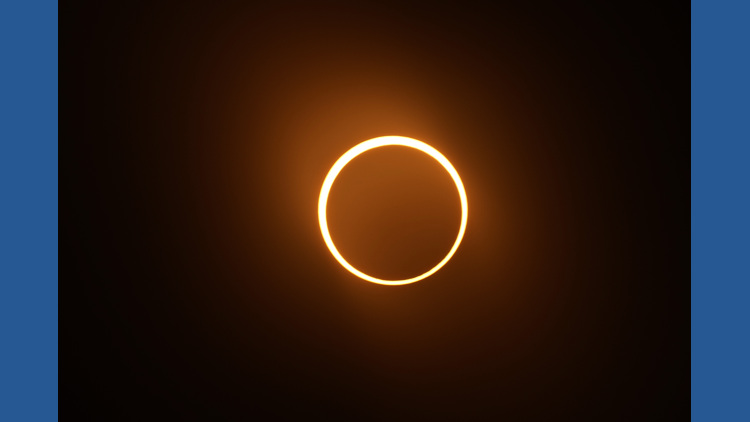
Annular solar eclipse creates rare ‘Ring of Fire’ on Feb. 17 |
Visibility Path: From Antarctica to Partial Views Worldwide
The full “ring of fire” was exclusive to a narrow path over Antarctica, observed mainly by researchers at stations like those in the Antarctic Peninsula. Due to the remote location, few humans witnessed it in person, but satellite platforms captured crystal-clear data.
Partial eclipses, where the Moon took a “bite” out of the Sun, were seen in:
- Southern South America (Chile and Argentina)
- Southern Africa
- Surrounding oceans
Regions like North America, Europe, Asia (including Pakistan), and the Middle East missed out entirely, but online broadcasts from Antarctic bases trended on social media, engaging global audiences.
Scientific Significance: A Natural Laboratory in the Sky
Beyond its visual appeal, this eclipse provided invaluable data for astronomers and environmental scientists. Key insights include:
- Solar Physics: Observations of limb darkening and radiation changes helped calibrate instruments and study the Sun’s atmosphere.
- Atmospheric Effects: The temporary dimming allowed tracking of temperature drops, wind shifts, and ionospheric disturbances, refining climate models.
- Orbital Mechanics: Precise timings contribute to monitoring the Moon’s orbit and Earth’s rotation, updating astronomical predictions.
Space agencies like NASA and ESA used satellites to monitor surface cooling in Antarctica, cloud patterns, and solar activity, enhancing our understanding of Earth-Sun interactions.

Stunning ‘Ring of Fire’ solar eclipse will take place TOMORROW over a 383-mile-wide path in a rare ‘annular’ event
Environmental and Cultural Impact
Eclipses like this simulate short-term solar reductions, offering “natural experiments” for climate research without long-term effects. Culturally, the event sparked worldwide interest, with planetariums hosting virtual sessions and educators using it to promote STEM. In 2026, it stands as a highlight amid other astronomical events, part of the Saros cycle repeating every 18 years.
While limited in visibility, its global engagement via technology underscores how celestial phenomena unite us, even from afar, in places like Karachi.
Looking Ahead: Future Eclipses and Lessons Learned
This eclipse’s data will inform future studies on planetary stability and solar-terrestrial relations. Upcoming total eclipses in the late 2020s promise more accessible viewing opportunities. For now, it reminds us of the precision of cosmic alignments and the importance of safe observation.