


As of February 19, 2026, peace negotiations between Russia and Ukraine remain deadlocked, with European Union officials stating that Russia shows “no tangible signs” of serious engagement. This assessment follows the abrupt end of U.S.-mediated talks in Geneva, highlighting deepening divisions within Europe and among NATO allies on how to approach a resolution. Meanwhile, Sweden’s announcement of a new €1.2 billion military aid package underscores continued Western support for Ukraine, amid persistent concerns over regional security and the potential for escalation.
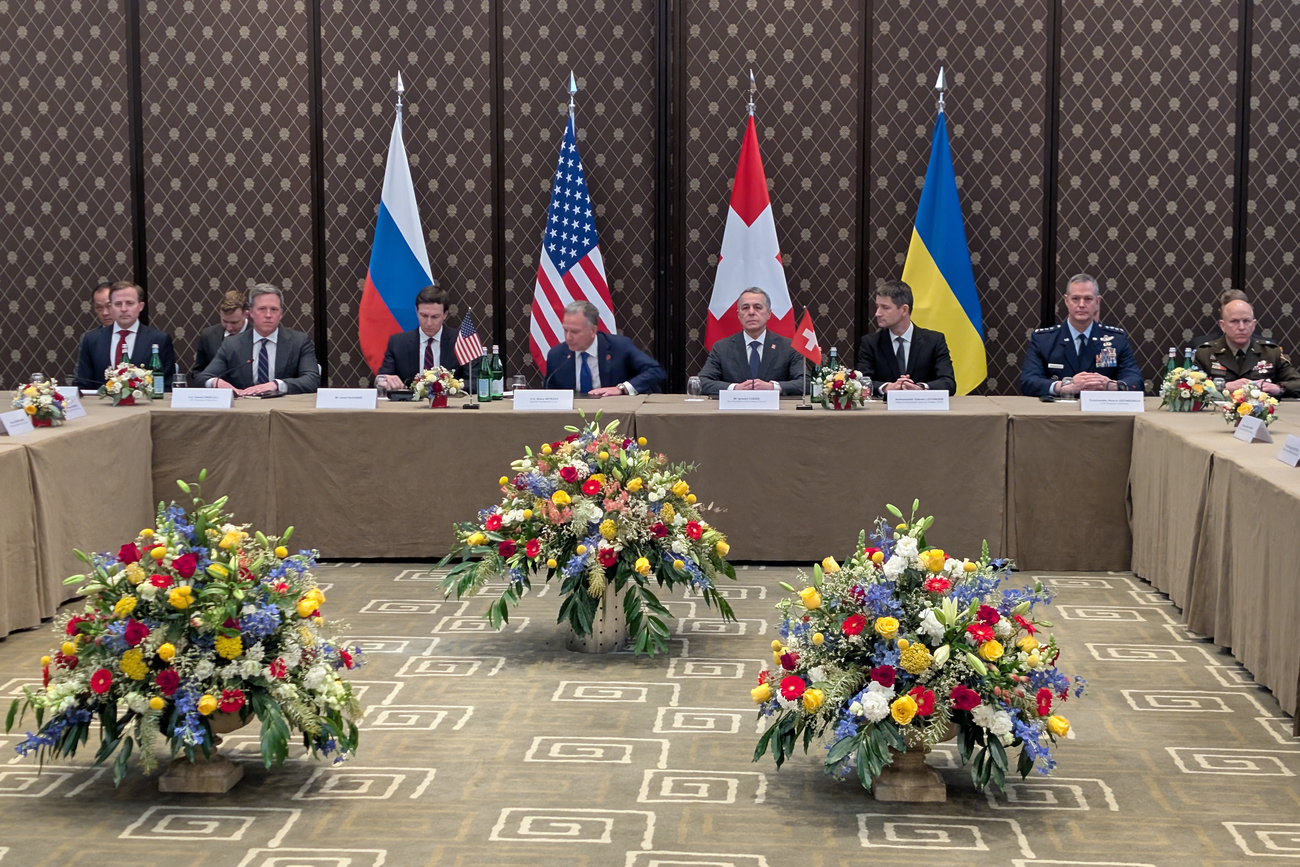
No Breakthrough as Russia and Ukraine Wrap Up Geneva Peace Talks – SWI swissinfo.ch
The Geneva Talks: A Brief and Fruitless Session
The latest round of discussions, held in Geneva on February 17-18, involved high-level representatives from Ukraine, Russia, and the United States, with additional input from European nations like the UK, France, Germany, Italy, and Switzerland. Focused on military, political, and humanitarian issues, including cease-fire monitoring, prisoner exchanges, and security guarantees, the talks lasted only two hours on the second day before concluding without a breakthrough.
U.S.-Brokered Russia-Ukraine Peace Talks Cut Short in Geneva
Ukrainian President Volodymyr Zelensky described the negotiations as “difficult,” accusing Russia of employing delay tactics to prolong the conflict. U.S. officials reported some “meaningful progress” on technical matters, but broader political hurdles, such as territorial disputes over eastern Ukraine, remain unresolved. Russian delegation head Vladimir Medinsky called the talks “business-like” but provided no timeline for future meetings, fueling suspicions of intentional stalling.
EU’s Stance: Russia Lacks Commitment to Peace
EU spokespersons have been vocal, emphasising that Russia’s continued military operations, including recent missile and drone strikes on Ukraine, demonstrate a lack of readiness for genuine peace. “We still do not see tangible signs that Russia is engaging seriously in peace,” an EU official stated, pointing to ongoing attacks as evidence. The EU insists on playing a central role in any settlement, advocating for pressure on Moscow through sanctions and support for Kyiv.
This position reflects internal European debates, with some leaders pushing for alternative diplomatic initiatives amid U.S. involvement under President Trump. Critics argue that aggressive rhetoric from Moscow, including President Putin’s dismissal of Western “war hysteria,” further complicates efforts.
Sweden’s Aid Package: Bolstering Ukraine’s Defences
In a show of solidarity, Sweden unveiled its largest military aid package to date on February 19, valued at €1.2 billion (approximately $1.3 billion). This includes advanced weaponry, ammunition, and training support, aimed at enhancing Ukraine’s capabilities on the front lines. Swedish officials highlighted the package as a response to Russia’s unrelenting aggression, aligning with broader NATO efforts to deter further incursions.

Sweden pledges another $1.4 billion in military aid to Ukraine | Reuters
This move comes as concerns mount over regional security, with fears that stalled talks could lead to intensified fighting or spillover effects into neighbouring countries.
Why This Matters: Divisions and Global Implications
The impasse in peace talks underscores deep rifts not only between Russia and Ukraine but also among Western allies. While the EU prioritises a unified front, U.S. voices advocate for pragmatic deals to avoid provoking Russia further. For Ukraine, continued aid is vital, but prolonged conflict risks economic strain and humanitarian crises.
Globally, this situation affects energy markets, international alliances, and security dynamics, particularly in Europe. As the war approaches its fourth anniversary on February 24, the lack of progress raises questions about sustainable resolutions and the role of major powers.
Stay updated on Russia-Ukraine developments, and share your views on how this impacts global stability.