


Published: January 21, 2026
Oil prices climb sharply on January 20, 2026, as traders react to supply concerns and rising geopolitical risks. This surge marks a significant shift in global energy markets after periods of relative stability.
Kazakhstan Supply Issues Trigger Immediate Market Reaction
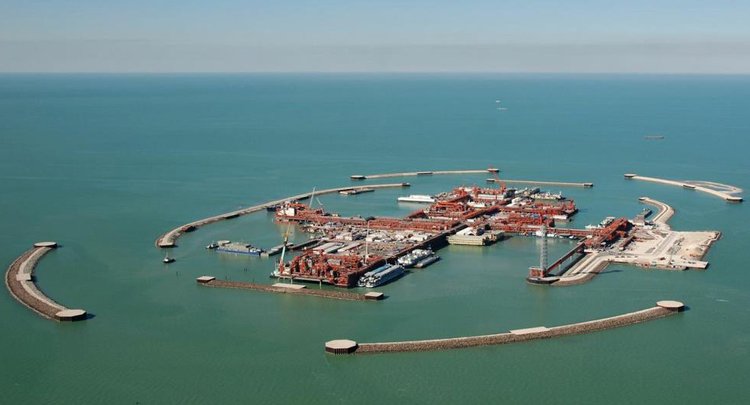
Operators report unplanned downtime at major facilities in Kazakhstan’s Tengiz and Kashagan oil fields due to technical problems. These disruptions temporarily reduce output from one of the world’s key exporters.
Additionally, Kazakhstan plays a vital role in the Caspian energy corridor. It supplies crude to Europe and Asia through pipelines and maritime routes. Consequently, even brief interruptions force buyers to seek costlier alternatives, tightening global supply.

Geopolitical Tensions Fuel Additional Price Pressure
Markets also respond to escalating geopolitical developments. Tensions between the United States and European nations particularly over trade disputes and Arctic security add risk premiums to crude futures.
Moreover, investors worry that diplomatic frictions could lead to sanctions or further supply constraints. Analysts note that perceived risks often drive rapid price spikes in interconnected commodities like oil.

Brent and WTI Benchmarks Rise Sharply
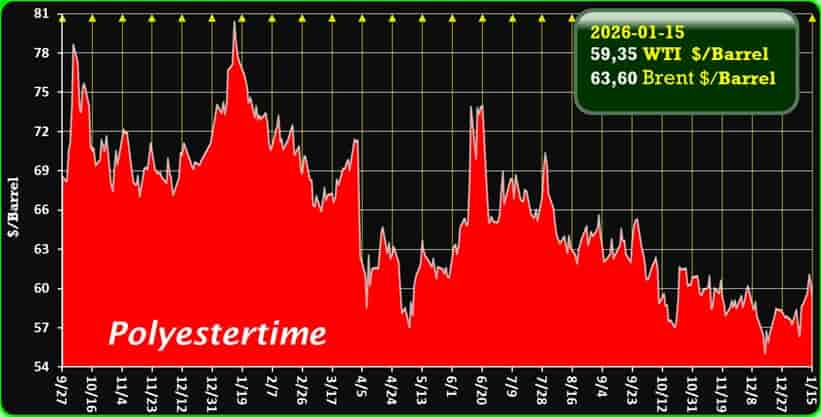
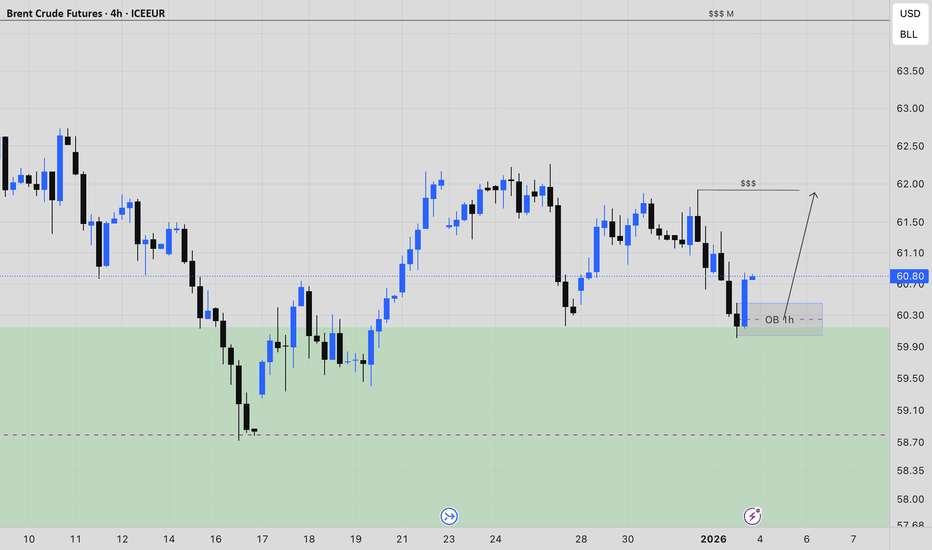
Both major benchmarks post strong gains. Brent Crude and West Texas Intermediate (WTI) rise over 2%, with Brent testing highs not seen since late 2025.
Traders increase positions in futures contracts for hedging and speculation. Meanwhile, safe-haven assets like gold gain alongside oil amid heightened risks.
OPEC+ Monitors Situation Closely
OPEC+ producers, including Saudi Arabia and Russia, prepare to assess the developments at their upcoming technical meeting. If disruptions persist or risks escalate, the group may adjust output quotas to stabilize markets.

Impact on Consumers and Global Economies
Higher crude costs quickly pass through to retail fuel prices. Consumers face increased expenses at the pump for gasoline and diesel.
Furthermore, rising energy prices contribute to inflation pressures. This complicates central bank policies in energy-dependent economies. Businesses in transport and manufacturing also encounter higher operational costs, potentially delaying investments.


How do you see these oil price movements affecting global markets in 2026? Will supply stabilize soon, or could tensions drive further gains?