


 will hold an emergency special session this Friday in Geneva.)
Published: January 20, 2026
The United Nations Human Rights Council (UNHRC) will hold an emergency special session this Friday in Geneva to examine the escalating human rights crisis in Iran, triggered by widespread protests and reports of a severe government crackdown.
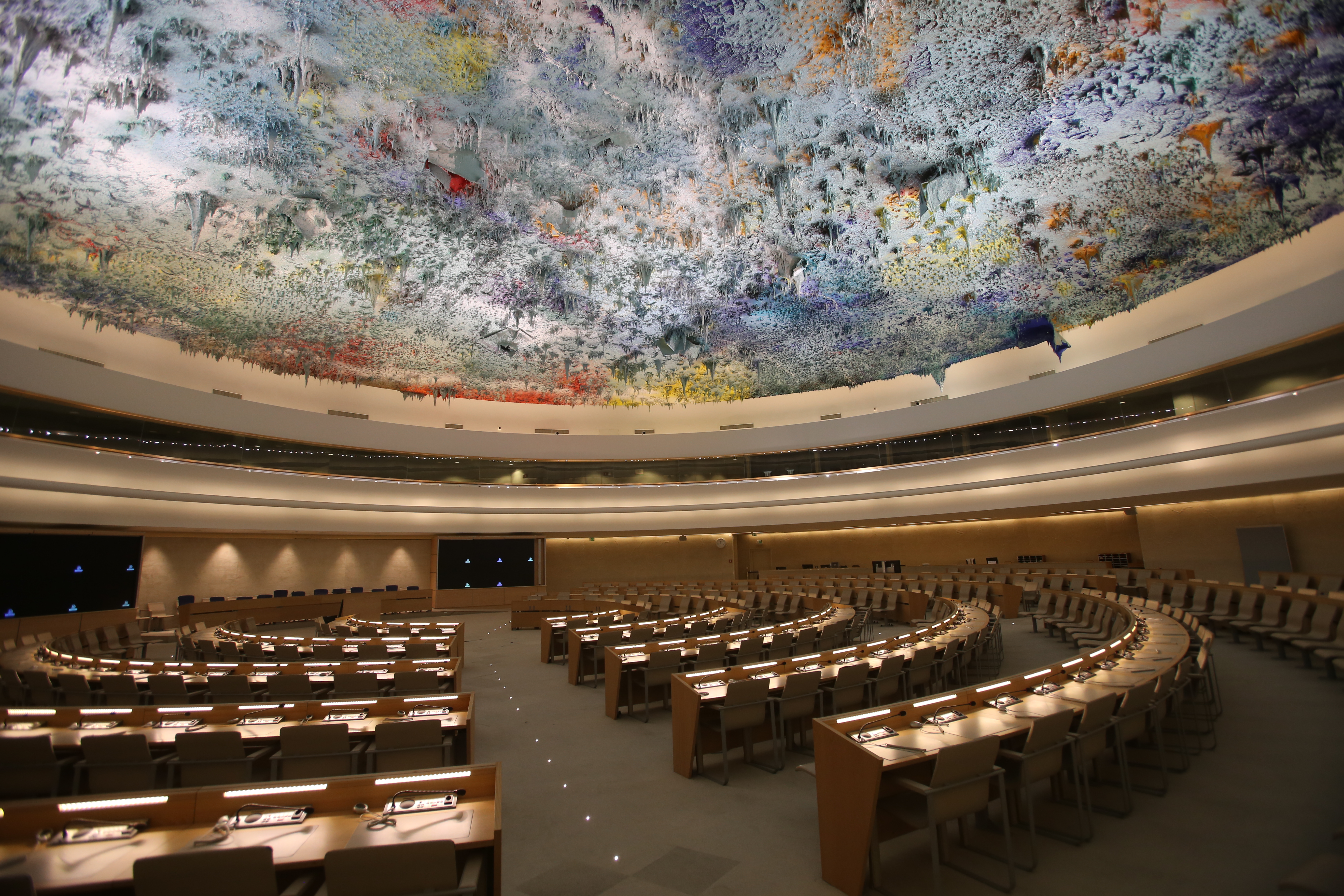
A formal request from countries including Britain, Germany, Iceland, Moldova, and North Macedonia cited “credible reports of alarming violence, crackdowns on protesters, and violations of international human rights law.” The session addresses growing international alarm over the scale of unrest and reported loss of life.

Background on Iran’s Ongoing Protests
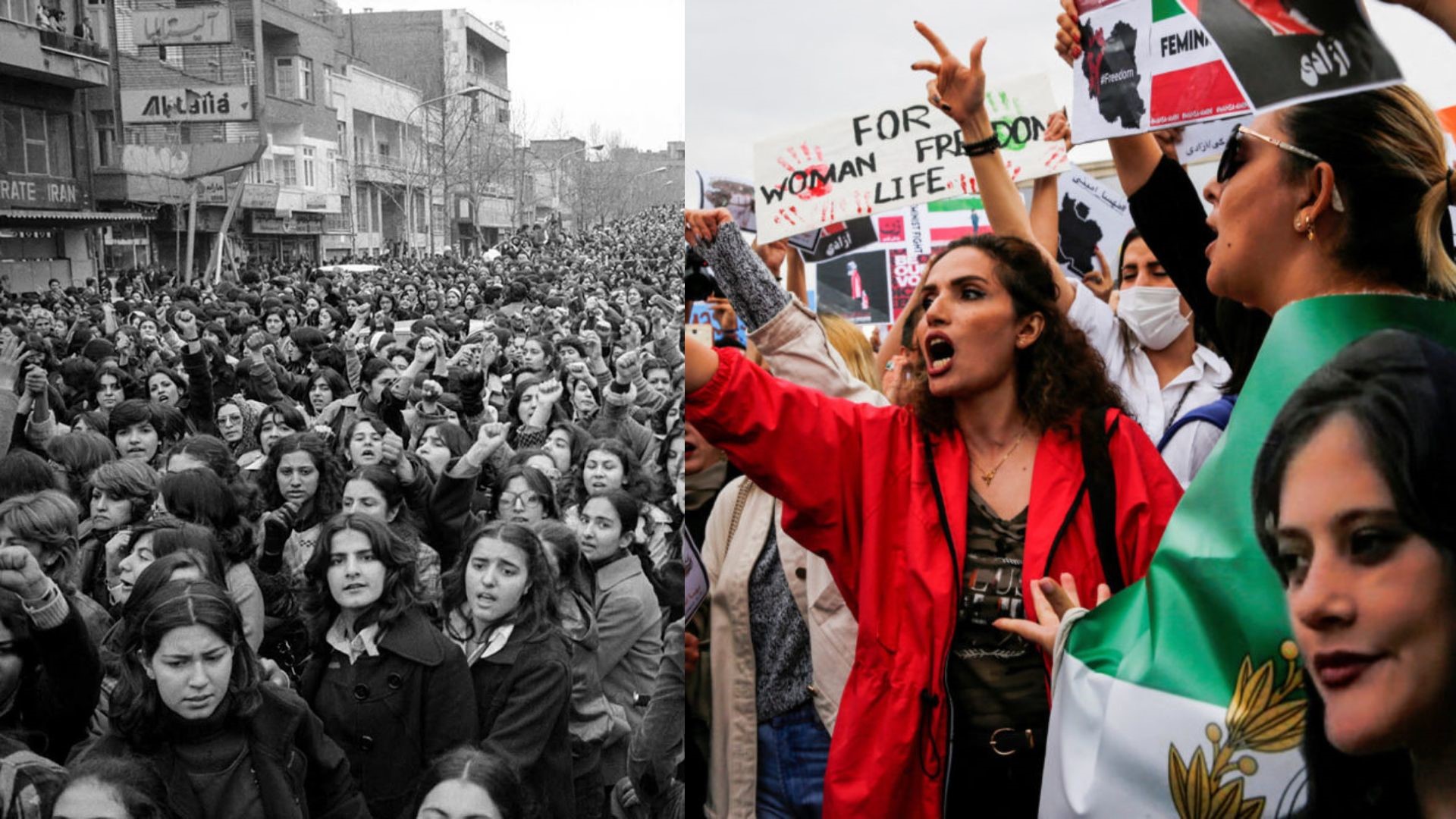
The current demonstrations described as the largest since 2022 have led to significant casualties. Iranian officials report at least 5,000 deaths, though independent verification is challenging due to internet blackouts and media restrictions.
UN High Commissioner for Human Rights Volker Türk has condemned the violence and urged an immediate end to the repression of peaceful protesters.

Focus of the Emergency Session
The Geneva meeting will address key allegations:
- Excessive use of force against demonstrators
- Arbitrary arrests and detentions
- Restrictions on freedom of expression and assembly
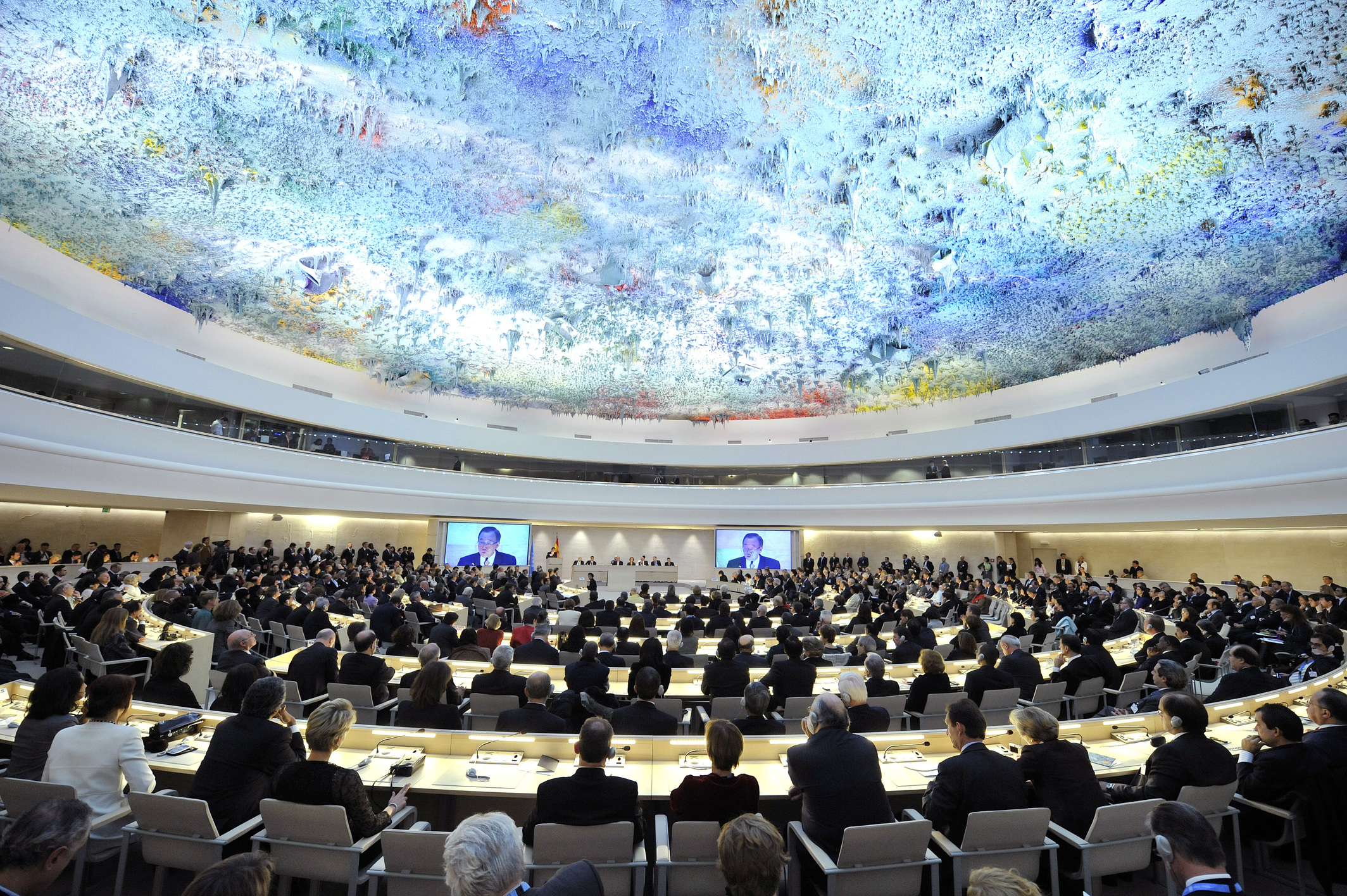
Iceland’s ambassador emphasized the urgency, noting that such special sessions are rare and reserved for acute or systemic violations.
Calls from Human Rights Organizations
Groups like Human Rights Watch are advocating for enhanced UN investigative mechanisms to document killings, detentions, and other abuses. The near-total internet shutdown since early January has severely limited real-time monitoring and reporting.

Iran’s Response to International Criticism
Tehran’s diplomatic mission has rejected many allegations, describing the unrest as stemming from armed attacks on security forces rather than peaceful protests. Iranian authorities assert their right to maintain order and view some claims as politically motivated.
Significance of the UNHRC Action
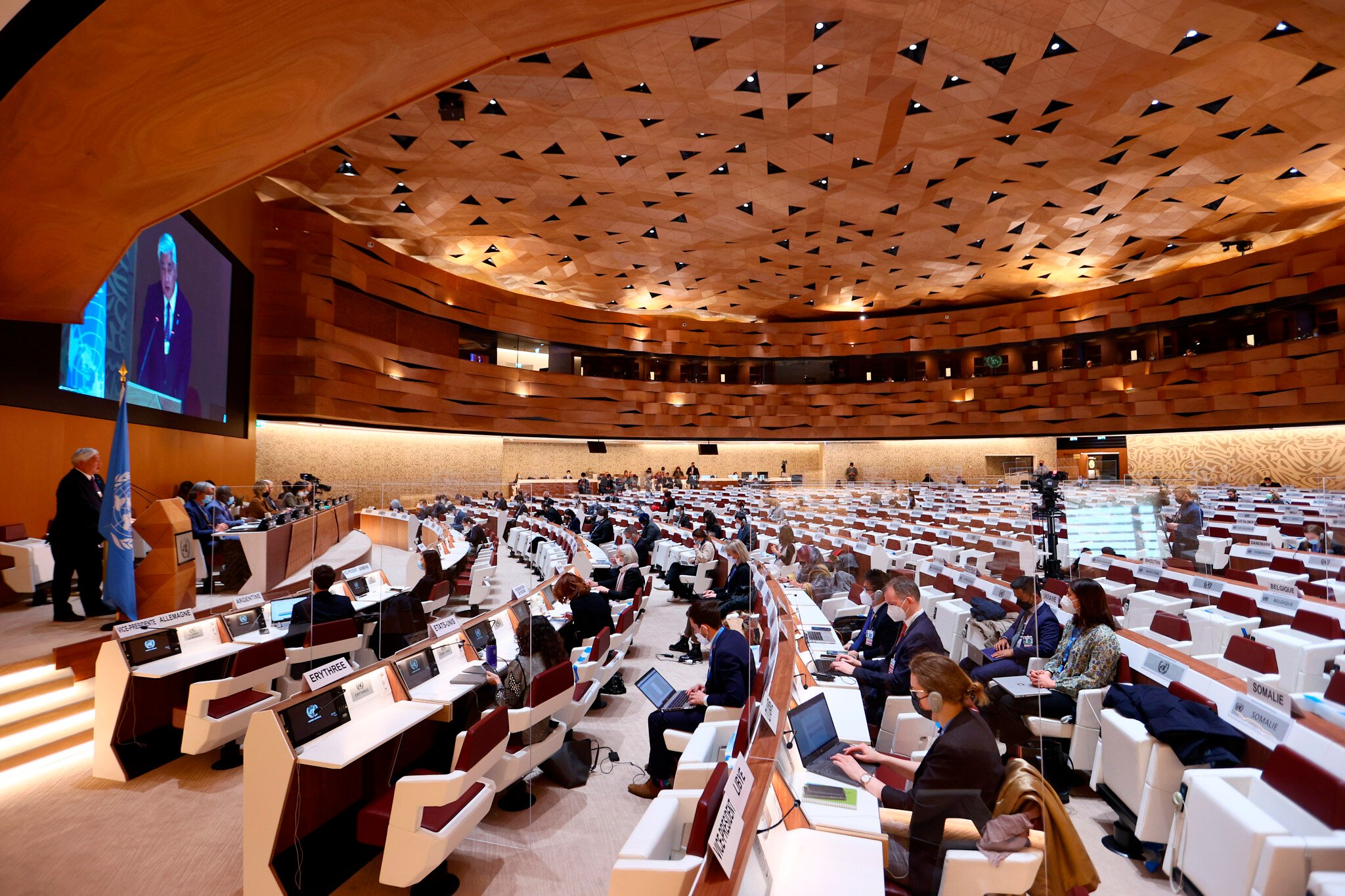
This emergency session marks a notable intensification of global scrutiny, complementing prior discussions at the UN Security Council. It highlights deepening concerns over accountability, civilian protection, and respect for fundamental rights in Iran.
As the situation evolves, the outcome of Friday’s session could influence future international responses and monitoring efforts.
What are your thoughts on the role of the UNHRC in addressing such crises? Can emergency sessions drive meaningful change?