


In a recent post on Truth Social, President Trump emphasized that time is running out for Tehran to reach an agreement on its nuclear program. He referenced a “massive armada” of U.S. naval forces moving toward the region, stating they are “ready, willing, and able to rapidly fulfill [their] mission, with speed and violence, if necessary.” Trump specifically warned: “The next attack will be far worse! Don’t make that happen again,” alluding to U.S. strikes on Iranian nuclear facilities in June of the previous year during heightened conflicts involving Israel.


The U.S. military buildup includes the deployment of the USS Abraham Lincoln aircraft carrier strike group, accompanied by destroyers, to the Middle East. Analysts view this repositioning as a clear demonstration of deterrence amid ongoing concerns over Iran’s nuclear ambitions.
Iran has responded defiantly, with officials stating that its armed forces are prepared for “immediate” retaliation against any U.S. aggression. Iran’s mission to the United Nations and top diplomats have condemned the rhetoric as provocative. Warning that any military action would be treated as the start of a full-scale war. Potentially targeting U.S. interests, Israel, and allies.
The escalation follows a pattern of strained relations, including years of U.S. sanctions, the collapse of the 2015 JCPOA nuclear agreement, and recent regional flashpoints. Trump’s comments have reignited debates in Washington: supporters praise the hardline approach as essential for protecting U.S. interests and preventing nuclear proliferation, while critics argue it risks miscalculation and undermines potential diplomatic pathways.
International reactions have been cautious. European leaders and the UN have called for restraint and renewed dialogue to avoid destabilizing the region further. Oil markets are particularly sensitive, with prices showing volatility due to fears of supply disruptions.
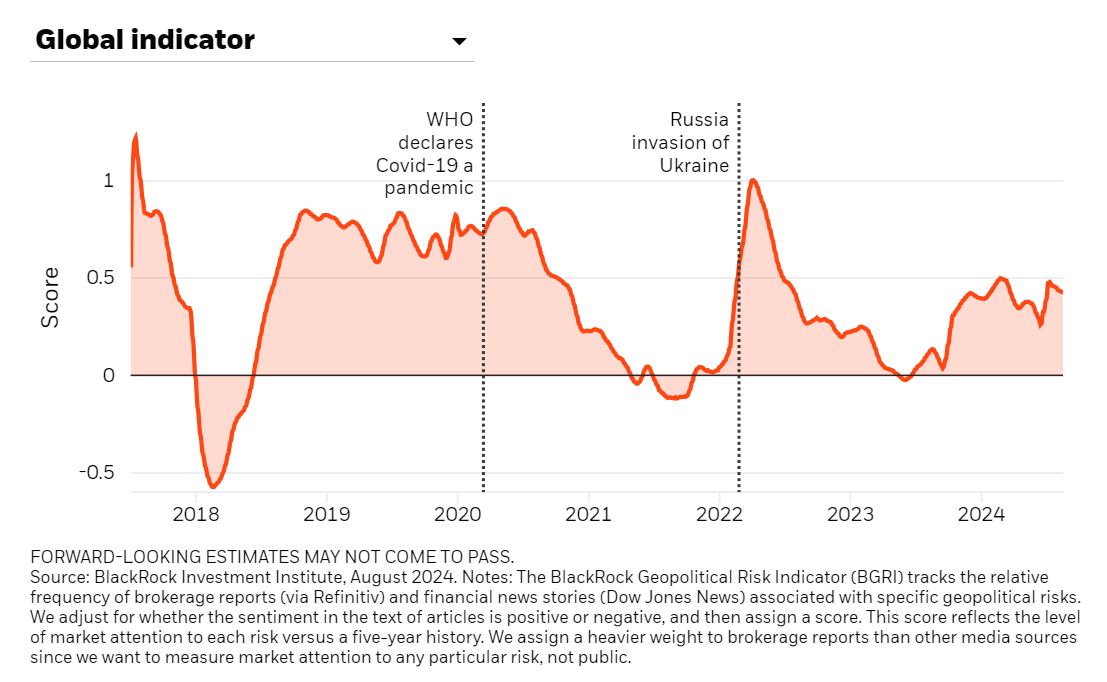
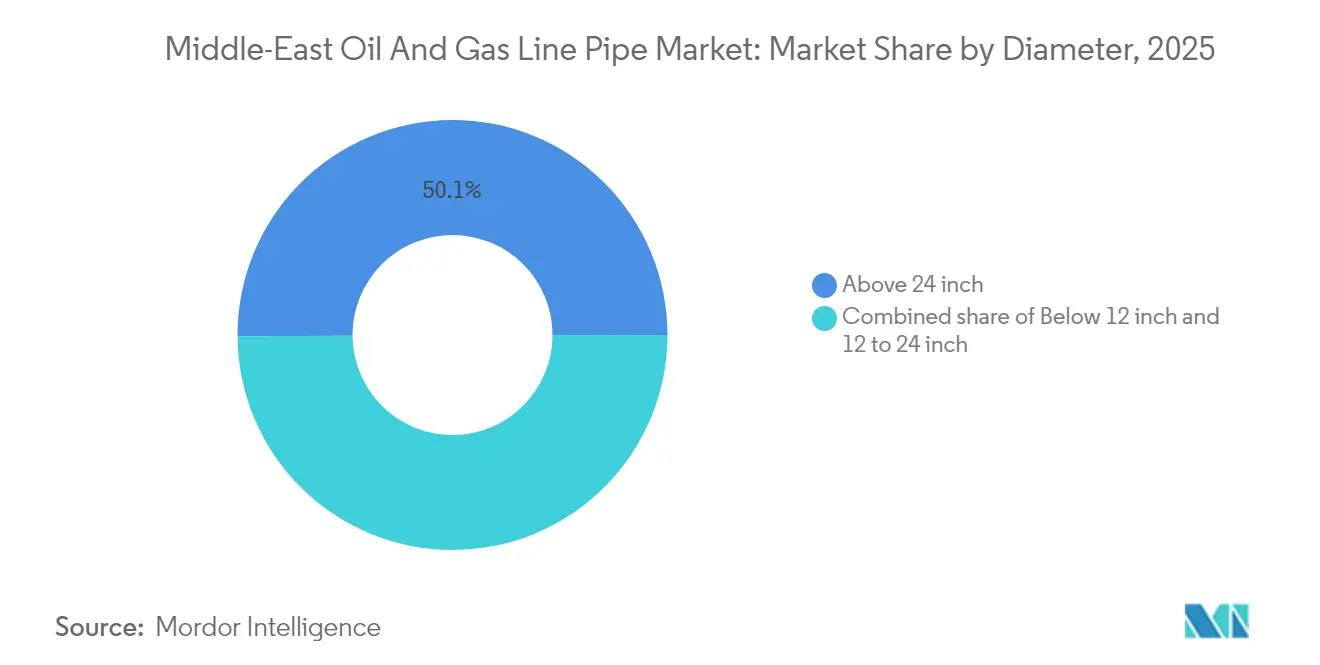
Regional observers highlight the high stakes: a single misstep could spiral into broader conflict. It can affect global energy security, trade routes, and stability across the Middle East.
Conclusion
As the situation develops rapidly, the coming days will test whether back-channel diplomacy can prevail. For now, President Trump’s stark ultimatum underscores U.S.–Iran tensions as one of the world’s most volatile flashpoints. With implications for international security and nuclear non-proliferation efforts worldwide.
Stay tuned for updates on this developing story. What are your thoughts on the path forward diplomacy or deterrence? Share in the comments below.