


Published: January 21, 2026
Russia’s Foreign Minister Sergey Lavrov actively declares that U.S. President Donald Trump’s aggressive pursuit of Greenland has plunged NATO into a “deep crisis.” This statement highlights growing transatlantic tensions and their impact on global security.

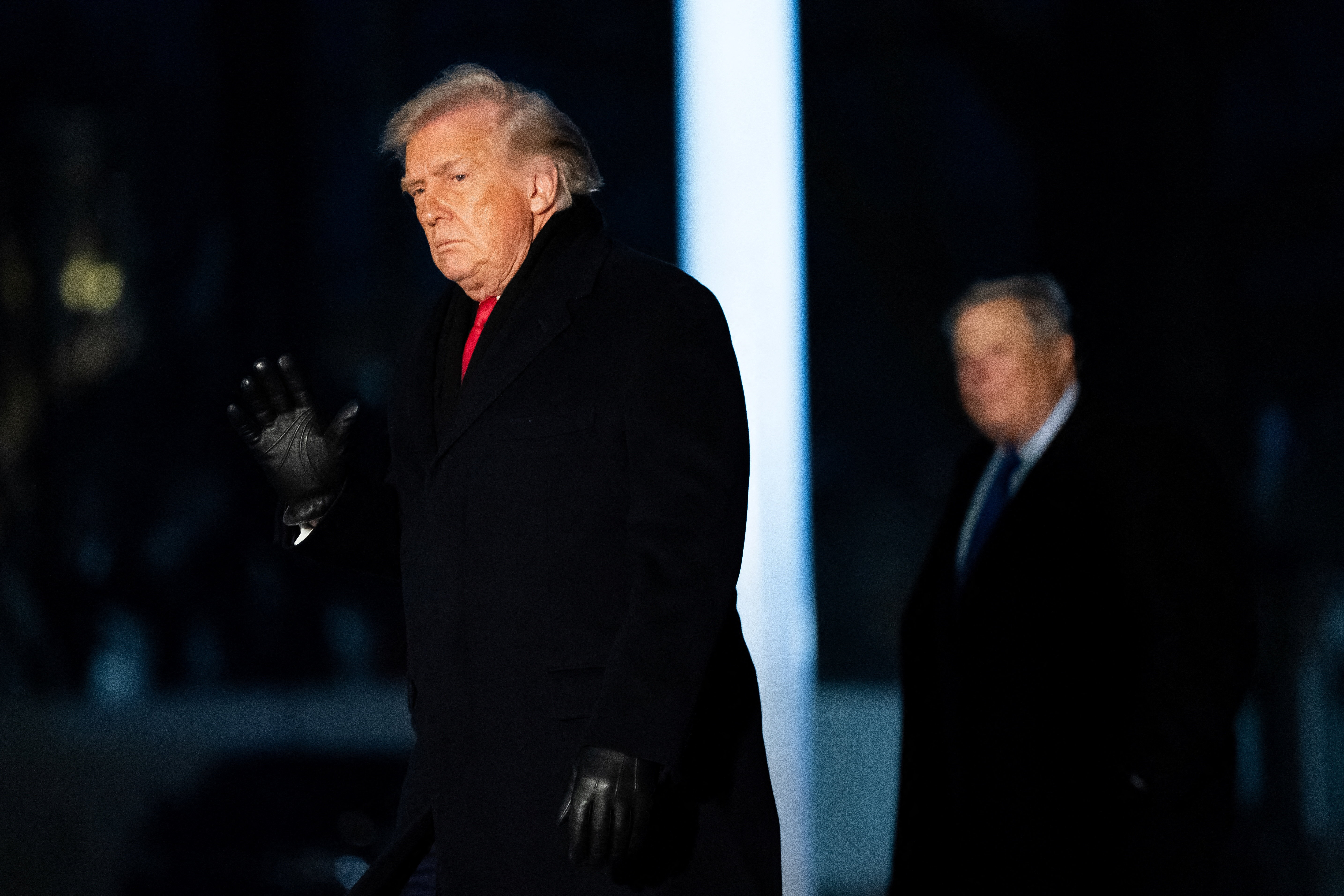
Lavrov delivers these remarks during a Moscow press conference on January 20. He warns that Trump’s unilateral demands and tariff threats against opposing NATO allies threaten the alliance’s fundamental unity.

Lavrov Highlights NATO’s Internal Strains
Lavrov emphasizes the unprecedented nature of the situation. He states it is hard to envision one NATO member potentially “attacking” another through economic measures. Consequently, Trump’s approach disrupts long-held assumptions about alliance solidarity.
Moreover, the Russian diplomat criticizes the U.S. actions as a blow to the Western “rules-based global order.” Russia has consistently challenged this framework, but it has underpinned transatlantic cooperation since World War II.


Russia’s View on Greenland and Arctic Strategy
Lavrov dismisses Denmark’s sovereignty over Greenland as outdated colonialism. This echoes Moscow’s broader critiques of Western influence.
However, Russia firmly denies any territorial ambitions in Greenland. Officials reject suggestions of Russian or Chinese moves to exploit the crisis in the Arctic region.
Unexpected Russian Support for Trump Initiative

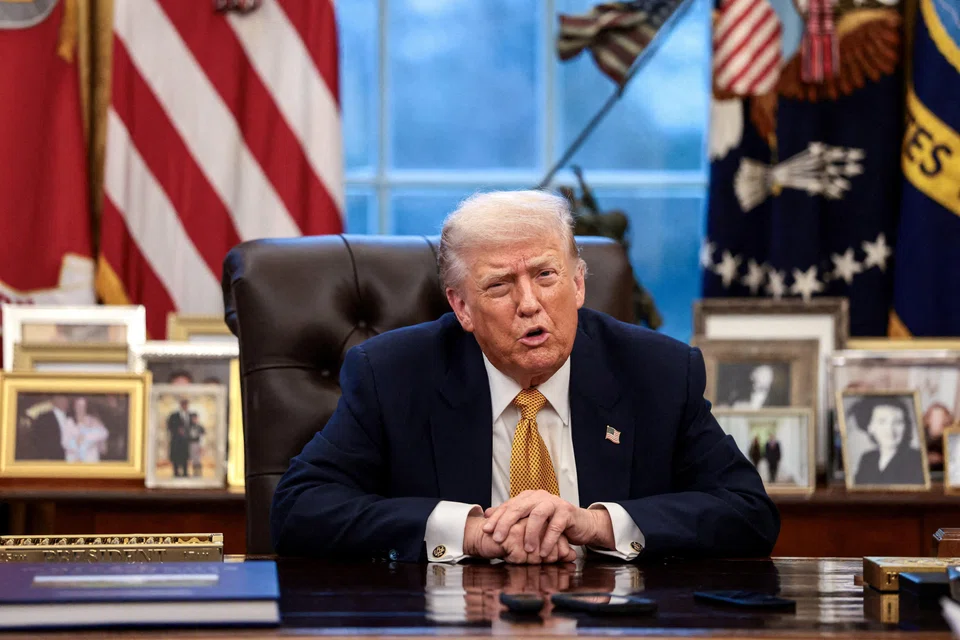
In a surprising twist, Lavrov expresses cautious interest in Trump’s proposed “Board of Peace” for global conflicts. He stresses that genuine cooperation must respect national interests.
Broader Geopolitical Implications in 2026
Russia closely monitors the Greenland dispute without plans to intervene. Moscow’s commentary amplifies narratives of NATO dysfunction and shifting power dynamics.
Additionally, the crisis underscores Greenland’s rising strategic importance. Its Arctic location, resources, and military potential make it a focal point in great-power competition.
As tensions persist, this development tests NATO’s resilience and influences global security alignments in 2026.
How do you interpret Russia’s response to the Greenland crisis? Does it signal opportunity for Moscow, or broader instability? Share your views below.