


Published: January 23, 2026
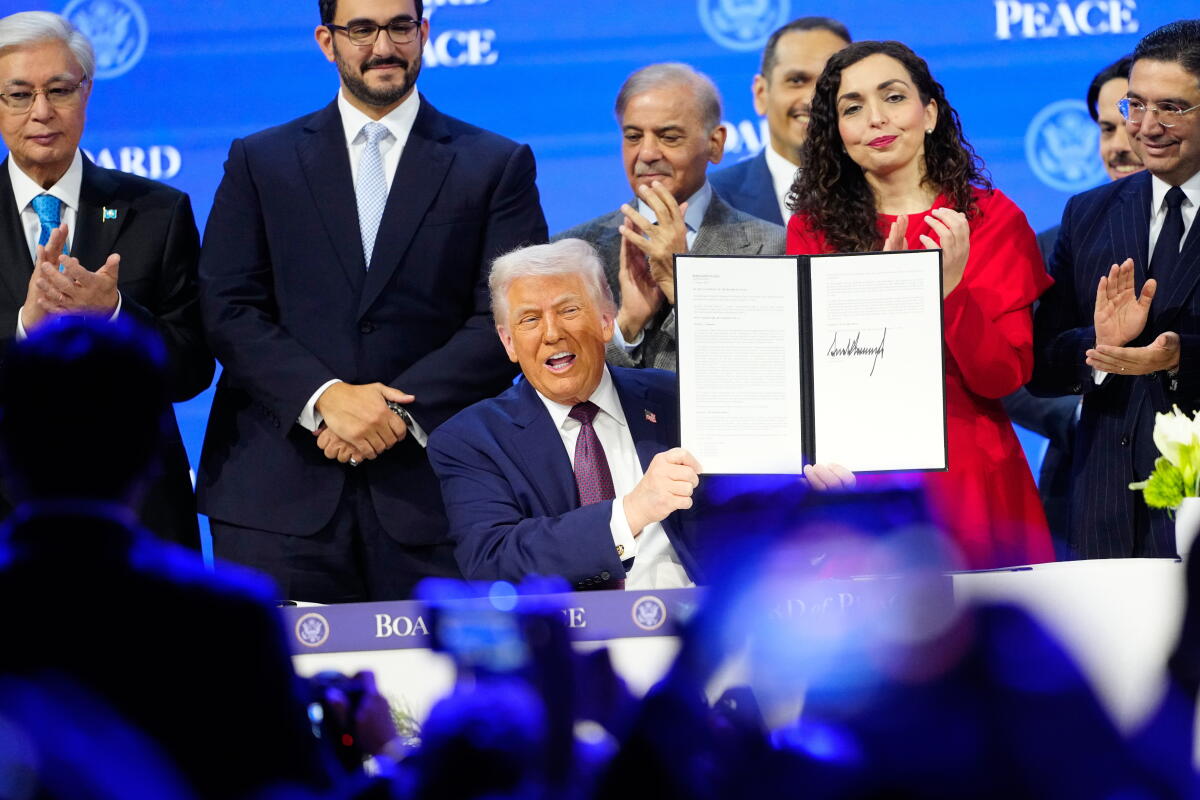
U.S. President Donald Trump actively ratifies the charter for the Board of Peace during a high-profile ceremony at the World Economic Forum in Davos, Switzerland, on January 22. This bold diplomatic initiative aims to reshape international responses to conflicts and post-war rebuilding.
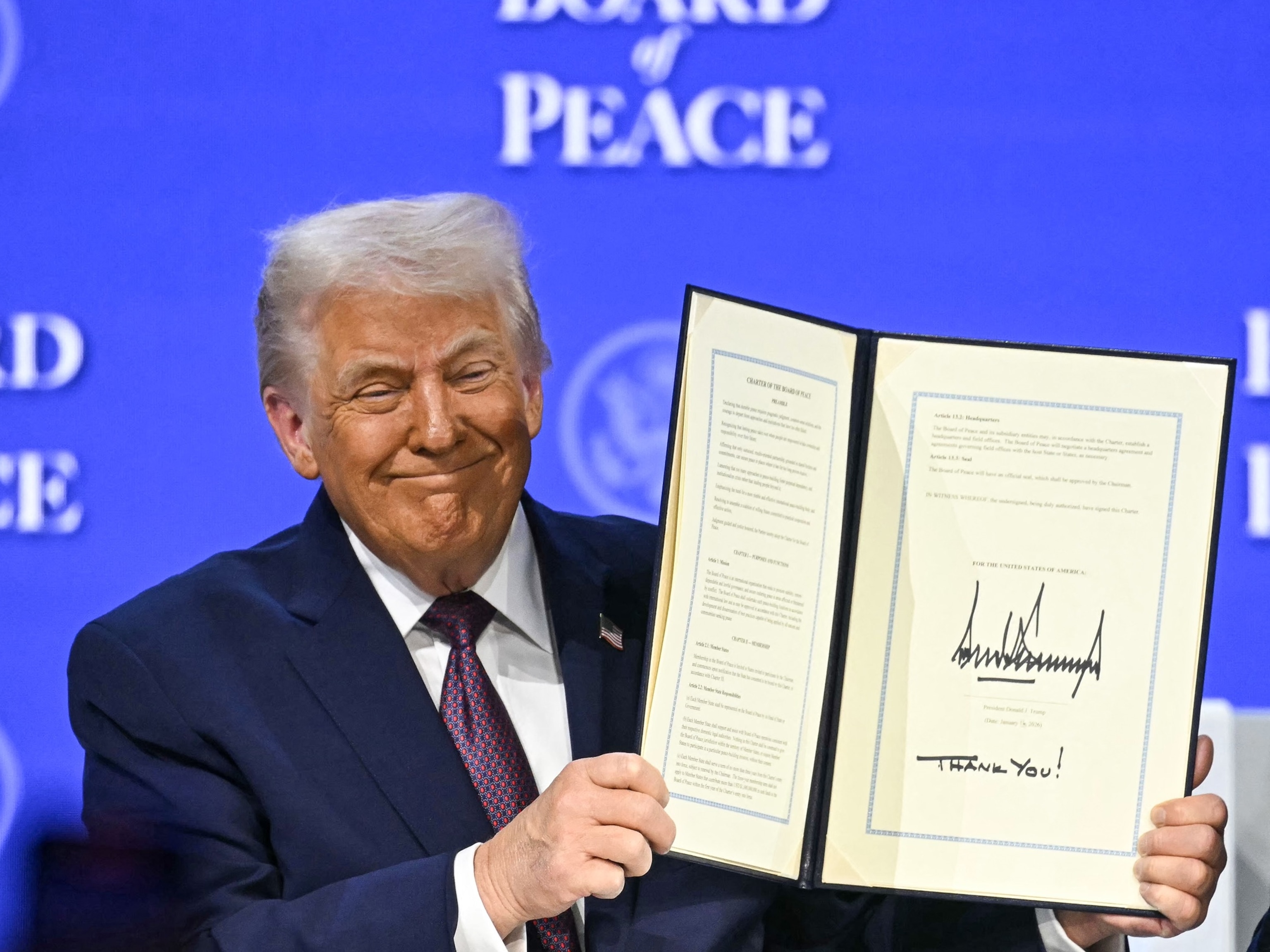
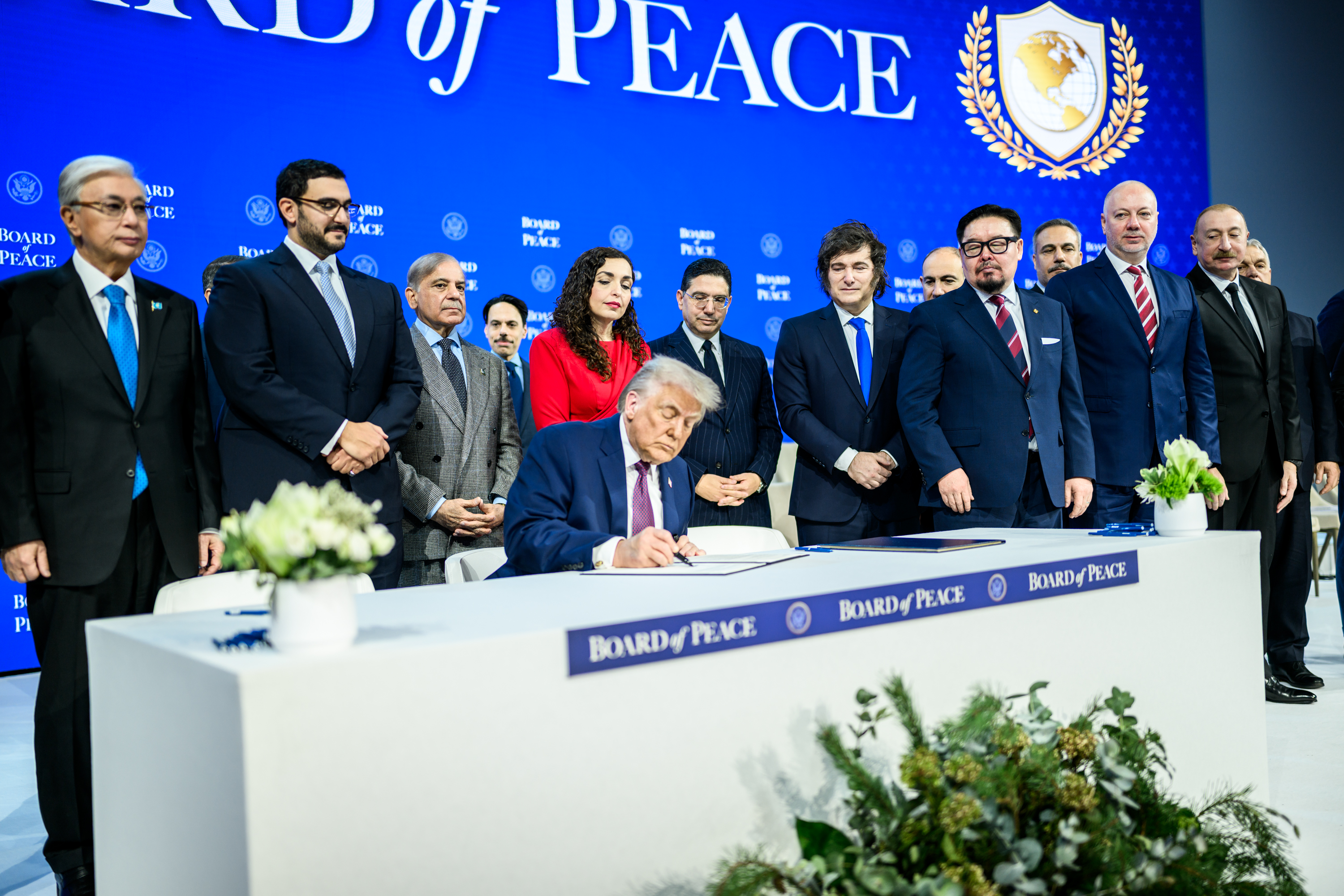
Trump addresses global leaders and emphasizes the Board’s role in delivering lasting stability to war-torn regions. He highlights Gaza as a primary focus for immediate humanitarian and reconstruction efforts.
Objectives of the New Board of Peace Initiative
The White House outlines clear goals for the Board. It coordinates international aid and reconstruction in conflict zones.
Additionally, the body fosters diplomacy to prevent hostilities from reigniting. It promotes economic revival through public-private partnerships.
Moreover, the Board provides an alternative platform for multilateral cooperation. U.S. officials stress it complements, rather than competes with, existing institutions like the United Nations.

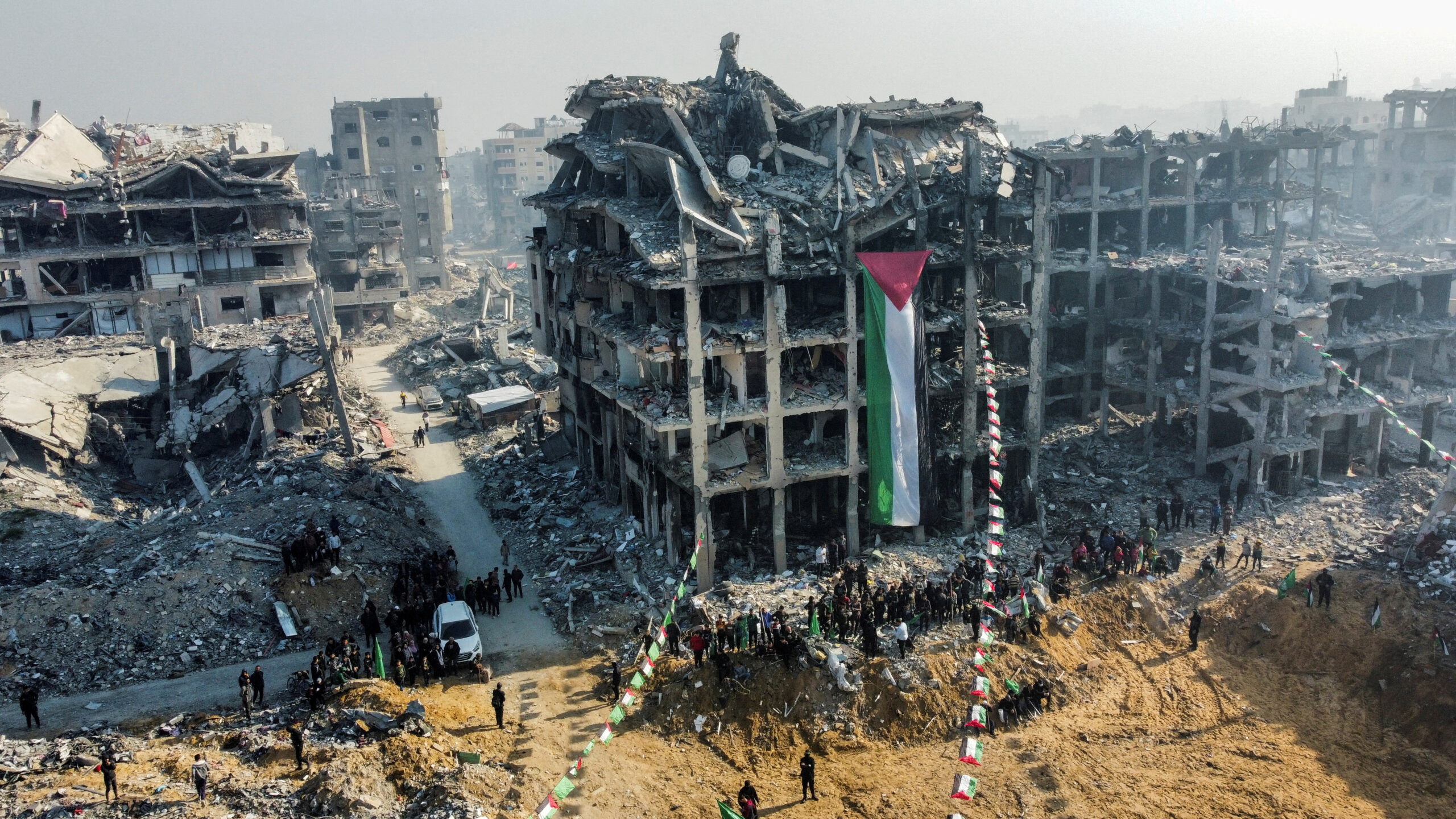
Spotlight on Gaza in Trump’s Peace Vision
Trump singles out Gaza for early action. He underscores urgent needs for rebuilding after prolonged conflict.
However, this emphasis raises questions among analysts. Critics argue effective peace efforts require broad multilateral support and established channels, such as the Middle East Quartet.
International Reactions to the Board of Peace
Supporters praise the initiative for streamlining aid and attracting new investment. They view it as a practical addition to global peacebuilding tools.
In contrast, some European diplomats and U.N. officials express caution. They highlight potential overlaps with bodies like the U.N. Peacebuilding Commission.
Furthermore, a U.N. spokesperson acknowledges the value of innovative approaches but defends the experience of existing frameworks.
Next Steps for Implementation
Details on membership, funding, and operations remain under development. U.S. teams plan to convene an initial steering group soon, inviting key partners.
As the Board evolves, stakeholders worldwide monitor its progress. Success depends on inclusive governance and tangible results in regions like Gaza.
Will the Board of Peace become a transformative force in global diplomacy, or face challenges in gaining broad acceptance? Share your views on this Davos announcement below.