


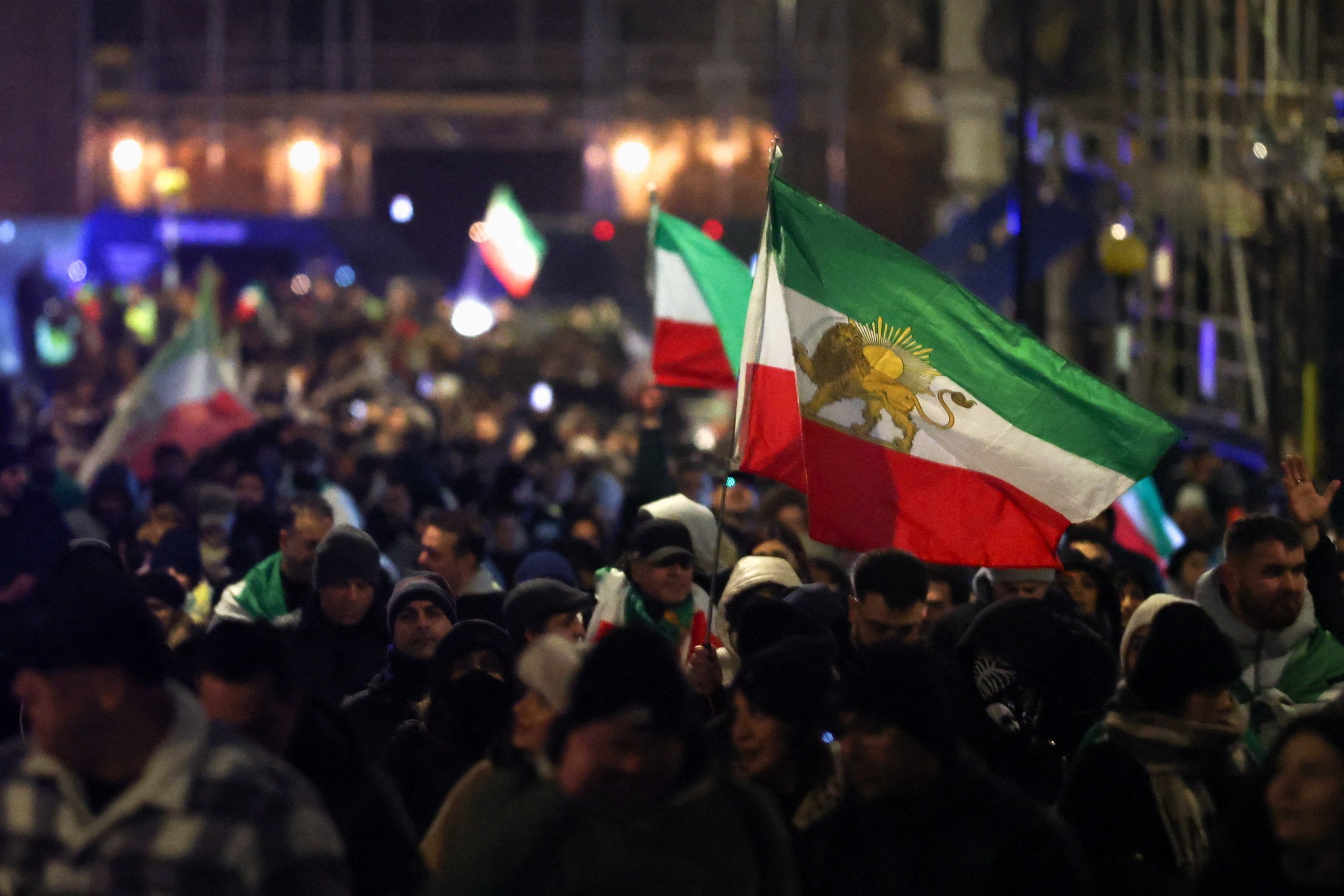
Latest Updates as of January 2026 Iran is grappling with one of its most severe political and human rights crises in decades as anti-government protests spread across the country. Triggered by soaring inflation, currency devaluation, and unemployment, the Iran protests 2026 have evolved into widespread demands for accountability, civil rights, and systemic reform.
What Caused the Iran Protests 2026?
The 2026 Iran protests initially erupted over severe economic hardships, including runaway inflation, a collapsing rial, and mass unemployment. What started as demonstrations against rising living costs quickly escalated into broader anti-government chants calling for political reform and an end to repression.
Protests have swept through major cities like Tehran as well as provincial areas, highlighting deep nationwide discontent with the government’s handling of the Iran economic crisis 2026.
Human Rights Crisis: Deaths, Arrests, and UN Warnings
According to human rights monitors and UN officials, security forces have used lethal force against protesters, resulting in hundreds to thousands of deaths and thousands of arrests.
The United Nations has issued strong condemnations, describing the situation as a “cycle of horrific violence” and warning that continued excessive force risks a prolonged humanitarian emergency.

Internet Shutdowns Fuel Concerns Over Transparency
A major point of international criticism is Iran’s widespread internet blackouts and communication restrictions during the protests. These measures have severely limited independent reporting, hindered access to information. Made it difficult to verify the full extent of casualties and human rights violations.
Rights groups argue the shutdowns are deliberately used to conceal security operations and suppress dissent.

International Response to the Iran Political Crisis 2026
Global reactions have been strong but varied:
- European nations have condemned the crackdown and signaled potential new sanctions.
- The United States has issued statements urging respect for freedoms and imposed measures targeting Iran’s trade partners.
- Regional powers remain cautious, concerned about spillover instability in the Middle East.
Iranian Authorities Defend Security Measures
Iranian officials maintain that the protests are instigated by foreign interference and describe them as a threat to national sovereignty. The government insists its response is necessary to maintain stability and has rejected claims of excessive force.
Outlook: Regional and Global Implications of the Iran Unrest 2026
As the Iran political crisis 2026 continues, experts warn of significant consequences for energy markets, regional security, and international diplomacy. The path forward whether through dialogue or further repression will shape Iran’s domestic future and its role on the world stage.
Stay updated on the latest developments in the Iran protests January 2026 as the situation remains fluid and highly volatile.