


Published: January 21, 2026
Protesters actively flood major US cities as thousands rally against President Donald Trump’s stringent immigration policies. This wave of demonstrations highlights deep divisions over border security and humanitarian concerns early in his second term.
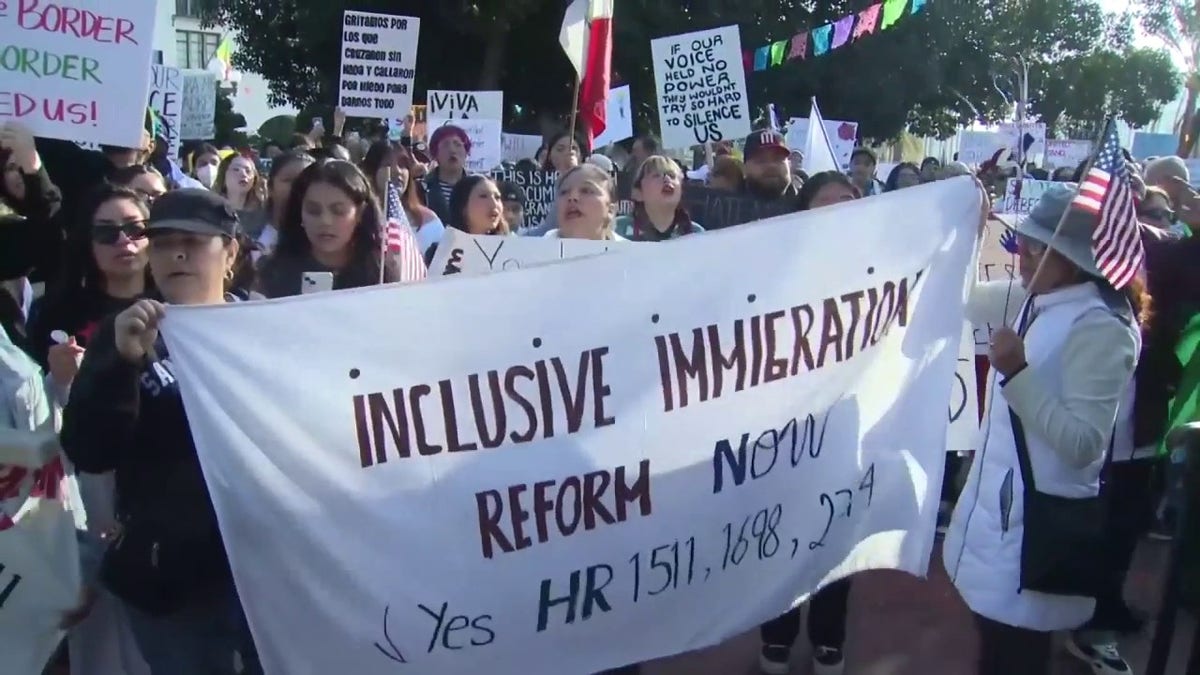
Demonstrators gather in key locations, including Washington DC, New York, Los Angeles, and Chicago. They voice strong opposition outside government buildings, universities, and public squares. Consequently, these actions signal widespread resistance to expanded enforcement measures.
Triggers Driving the US Immigration Protests
The Trump administration recently expands powers for Immigration and Customs Enforcement (ICE). Officials accelerate deportation processes and tighten asylum rules. In response, protesters demand immediate reversals.
Additionally, immigration rights groups, labor unions, and civil society organizations lead the charge. They argue that these policies unfairly target migrants, asylum seekers, and minority communities. Furthermore, activists emphasize that the measures erode essential humanitarian protections.
Scale and Nature of the Nationwide Demonstrations
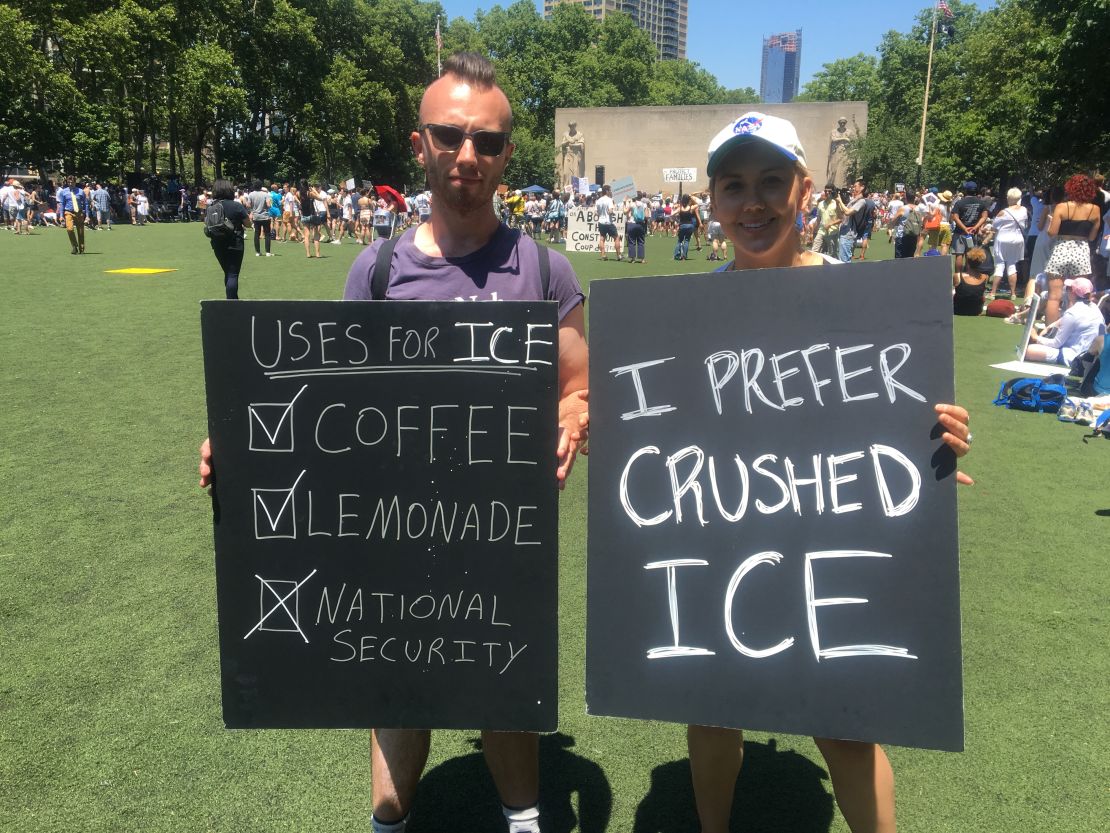
Organizers coordinate large-scale yet predominantly peaceful events across the country. Protesters display signs and deliver chants that focus on human rights, due process, and constitutional principles.
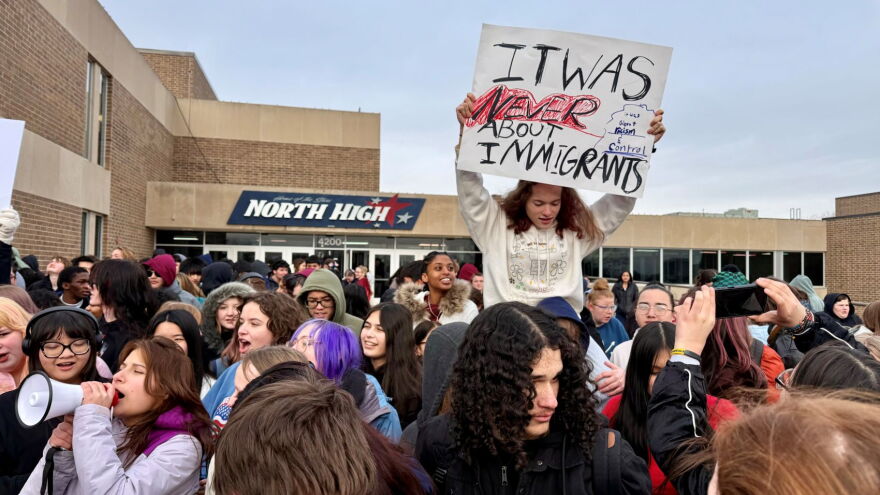
Moreover, youth play a prominent role in the movement. University students stage walkouts and sit-ins on campuses nationwide. This active participation underscores growing opposition among younger generations to strict immigration enforcement.

Trump Administration Defends Immigration Enforcement
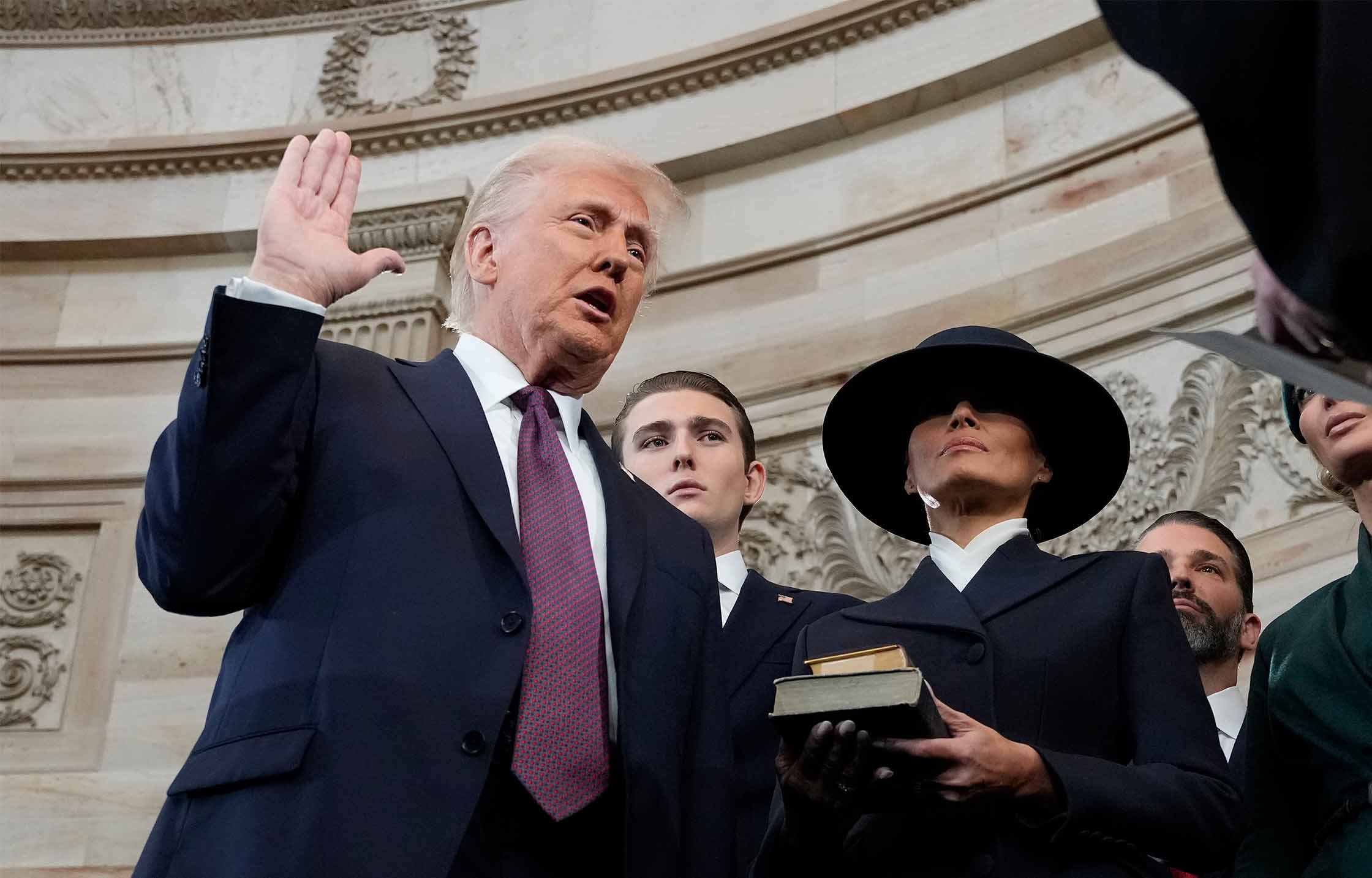
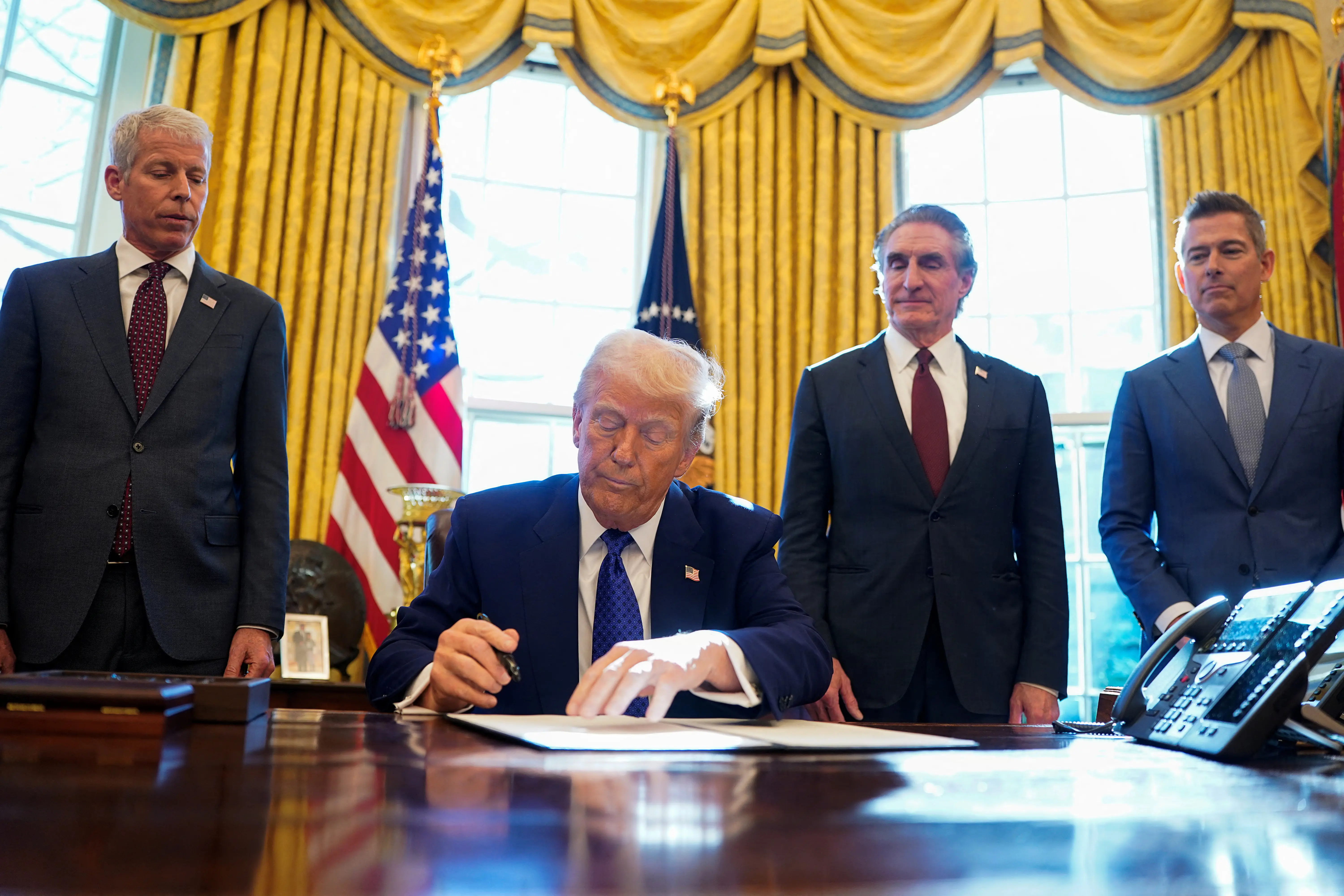
White House officials firmly defend the policies. They assert that the measures restore border control and enhance national security core priorities for President Trump.
However, spokespeople describe the protests as politically motivated. Meanwhile, they maintain that all actions remain fully within legal authority.
Broader Implications for US Immigration Policy in 2026
These protests clearly reveal persistent divisions over immigration in America. The issue continues to divide public opinion and dominate political discourse.
As enforcement intensifies, opposition grows stronger. Therefore, immigration policy shapes debates on security, humanity, and national identity throughout 2026 and beyond.
What is your view on the current US immigration protests and Trump’s policies? Do they strike the right balance between enforcement and compassion? Share your thoughts in the comments.