


As the sun sets on February 17, 2026, Muslim communities worldwide are turning their eyes to the sky in anticipation of sighting the crescent moon (hilal), which signals the beginning of Ramadan 1447 AH. This sacred month, central to Islamic faith and practice, brings together millions in fasting, prayer, and reflection. With regional variations in sighting practices, the exact start date could differ across countries, adding to the communal excitement and unity.

Why Ramadan 2026 is expected to start on Thursday, February 19
How the Start of Ramadan is Determined
In the Islamic lunar calendar, each month begins with the sighting of the new crescent moon after sunset on the 29th day of the previous month, Sha’ban. If the hilal is visible, Ramadan commences the following day. If not sighted, due to weather, the moon’s age, or other factors. Sha’ban extends to 30 days, pushing Ramadan’s start forward.
Today, institutions like the Saudi Supreme Court have called on observers to report any sightings, which will influence official announcements. Astronomical predictions suggest that the young crescent might be difficult to spot on February 17. Leading many experts to anticipate a start on February 19 in various regions. However, confirmed sightings could shift this to February 18 in places like Saudi Arabia and those aligning with its declarations.
NEWS | The Supreme Court of Saudi Arabia calls on all Muslims across the Kingdom to investigate into sighting the crescent marking the start of Ramadan on Tuesday evening, 29 Sha’ban 1447
Regional Differences in Moon Sighting
Moon sighting traditions vary by geography, time zones, and local customs, creating a beautiful tapestry of staggered observances:
- Saudi Arabia: As a key reference point for many Muslim nations, authorities are actively encouraging reports. A positive sighting tonight could mean fasting begins tomorrow, February 18.
- India and Pakistan: In countries like Pakistan, where you might be tuning in from Karachi, local committees and ruet-e-hilal (moon-sighting) groups are conducting observations. Due to later sunsets and potential visibility challenges, Ramadan often starts a day later here, possibly on February 19 or even 20, based on independent confirmations.
- Global Variations: Countries in the Middle East might align with Saudi announcements, while others in Asia or the West rely on astronomical calculations or local sightings. This diversity highlights the blend of tradition and science in Islamic practices.
These differences foster a sense of global connection, as communities share updates via social media and news outlets.
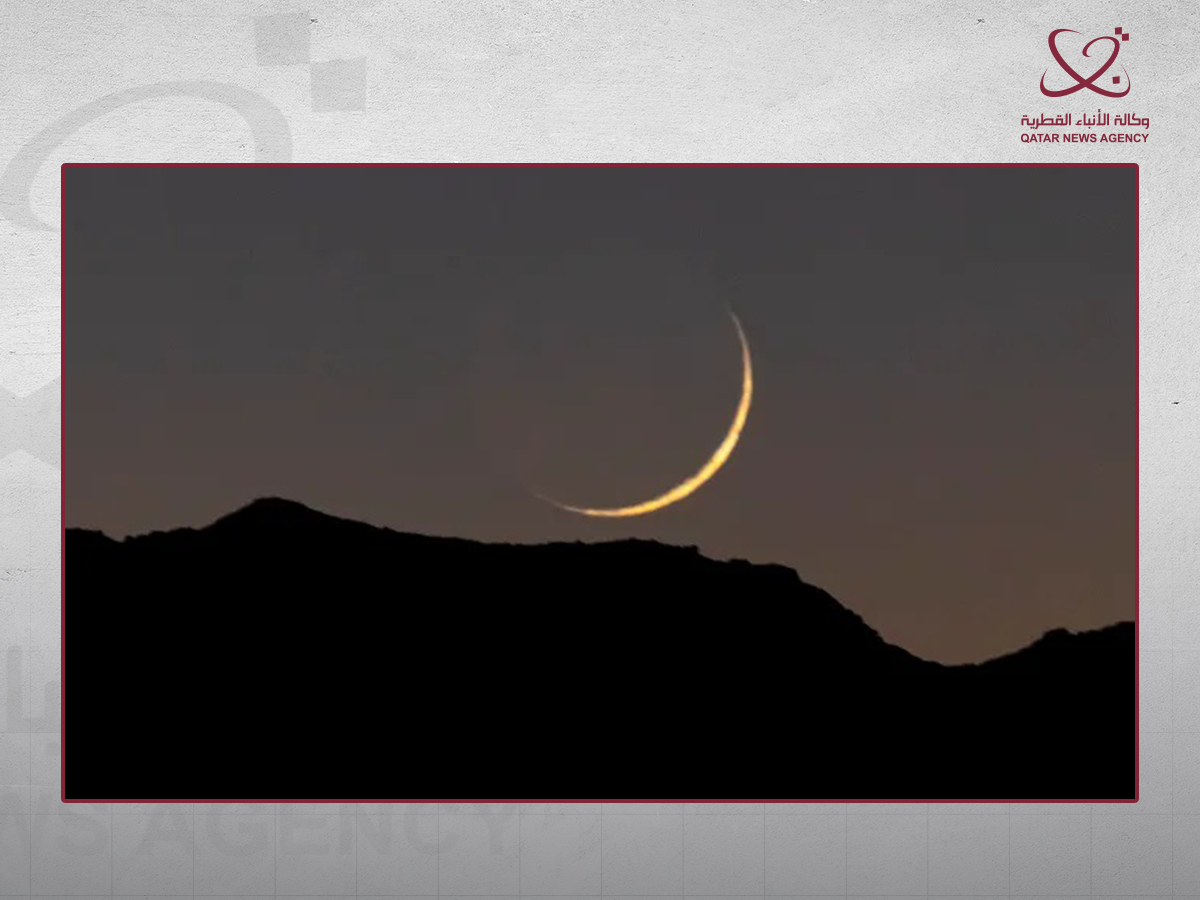
Ministry of Endowments Urges Public to Observe Ramadan Crescent on Tuesday
The Spiritual Significance of Ramadan
Ramadan, the ninth month of the Islamic calendar, is one of the Five Pillars of Islam. During this time, observant Muslims fast from dawn (fajr) to sunset (maghrib), abstaining from food, drink, and other physical needs to focus on spiritual growth, charity (zakat), and community. Increased prayers, including taraweeh nights at mosques, and acts of kindness define the month, culminating in Eid al-Fitr celebrations.
Debates between traditional physical sightings and modern astronomical methods continue, with traditionalists valuing the historical Prophetic practice and others appreciating calculations for predictability. Both approaches are respected, guided by scholarly interpretations to ensure unity and devotion.
Why This Matters in 2026
In a world of fast-paced changes, Ramadan offers a timeless anchor for reflection and renewal. As sightings unfold this evening, right around now in Pakistan at 8:19 PM PKT stay connected with local announcements for the official start. Whether through family gatherings, iftar meals, or charitable efforts, the month promises spiritual enrichment for all.
For the latest updates on moon sightings or Ramadan preparations, check reliable sources or share your experiences below.